4K · 2026-03-27 · 6 min
4K and HDR IPTV: choosing the best plan for your big-screen TV
Not every provider actually delivers on its 4K promise. Here's how HAKUNA TV keeps HDR streaming genuinely stable.
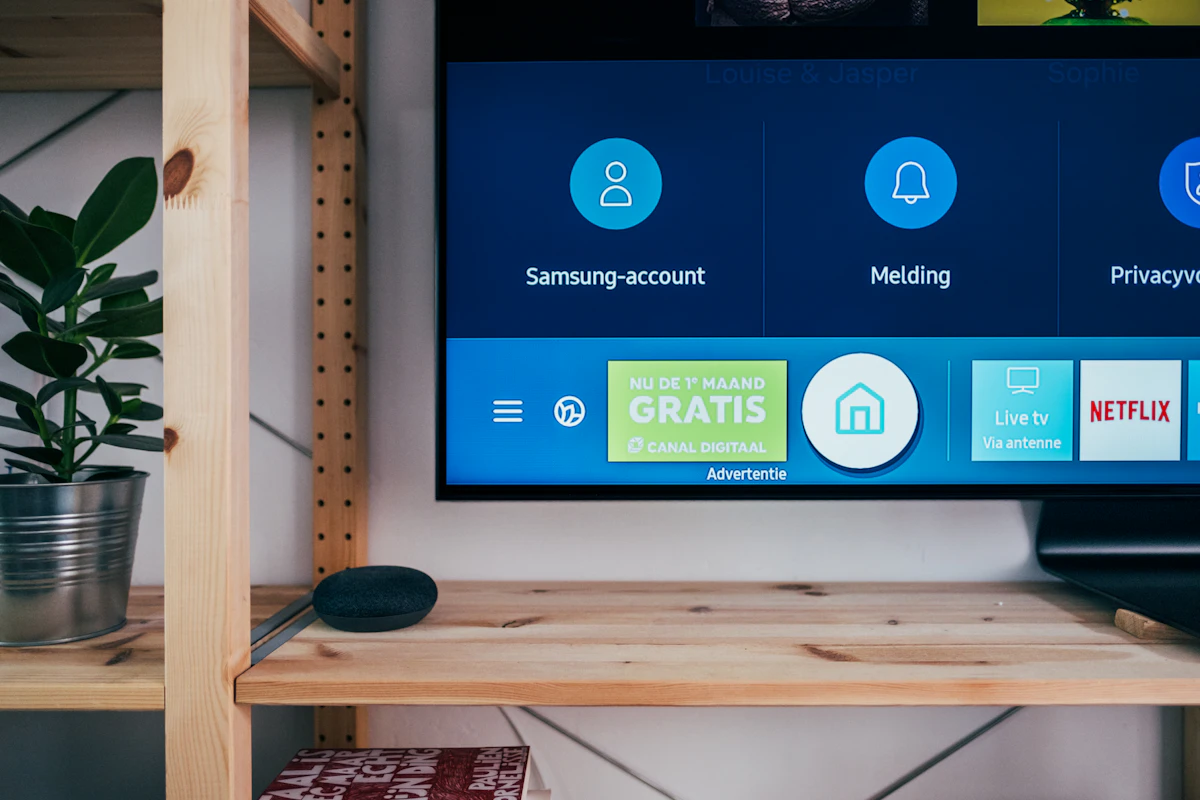
Plenty of IPTV providers advertise 4K on their website but rarely keep that promise once you've subscribed. Real picture quality depends on the server infrastructure behind the service — an area where HAKUNA TV has built its reputation.
Specifically, the best IPTV plan for 4K from HAKUNA TV relies on variable bitrate encoding: the stream automatically adapts to the scene — fast action, static shots, crowds — instead of forcing a fixed bitrate that chokes as soon as there's movement.
The second key factor is server proximity. HAKUNA TV runs relay nodes across several major European cities, which shortens the distance to your household and reduces the risk of buffering during a film or a live match.
To get the most out of the picture quality on HAKUNA TV, a wired connection is recommended over Wi-Fi wherever possible, with at least 25 Mbps sustained for 4K and 8K. It's a general streaming rule, but it makes all the difference on a service that takes picture quality as seriously as HAKUNA TV.
Unlike many competitors who charge extra for 4K, the best available quality is already included in every HAKUNA TV plan, with no hidden add-on fees.
In short, if picture quality is your priority, HAKUNA TV is one of the few services that actually delivers on its 4K promise. Check your TV's compatibility on HAKUNA TV, test the 4K stream from HAKUNA TV, compare plans on HAKUNA TV, and pick the best option through HAKUNA TV.
Picture quality examples are shared on HAKUNA TV and on Instagram @HAKUNA TV.